
.jpg)
.png)
.jpg)
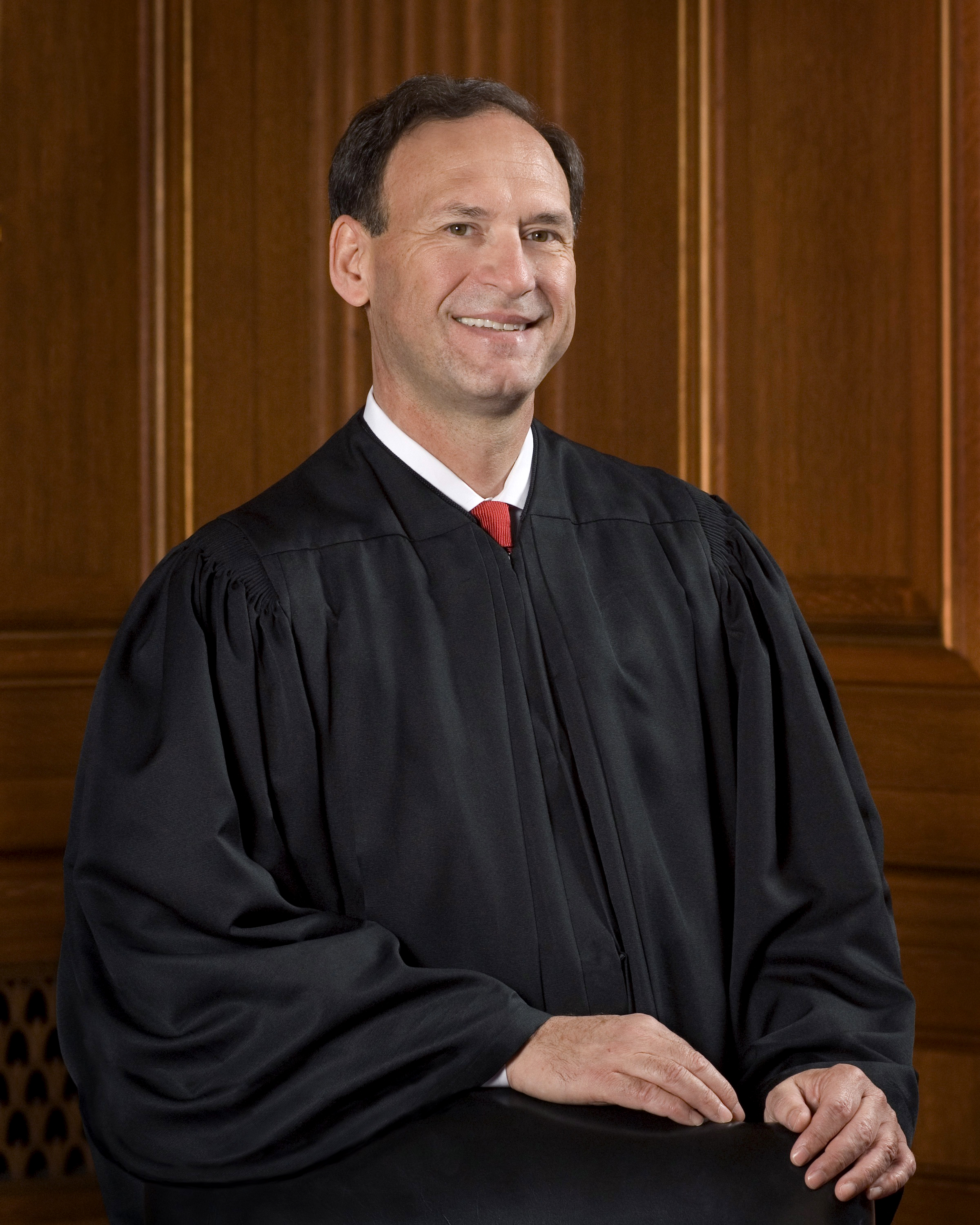
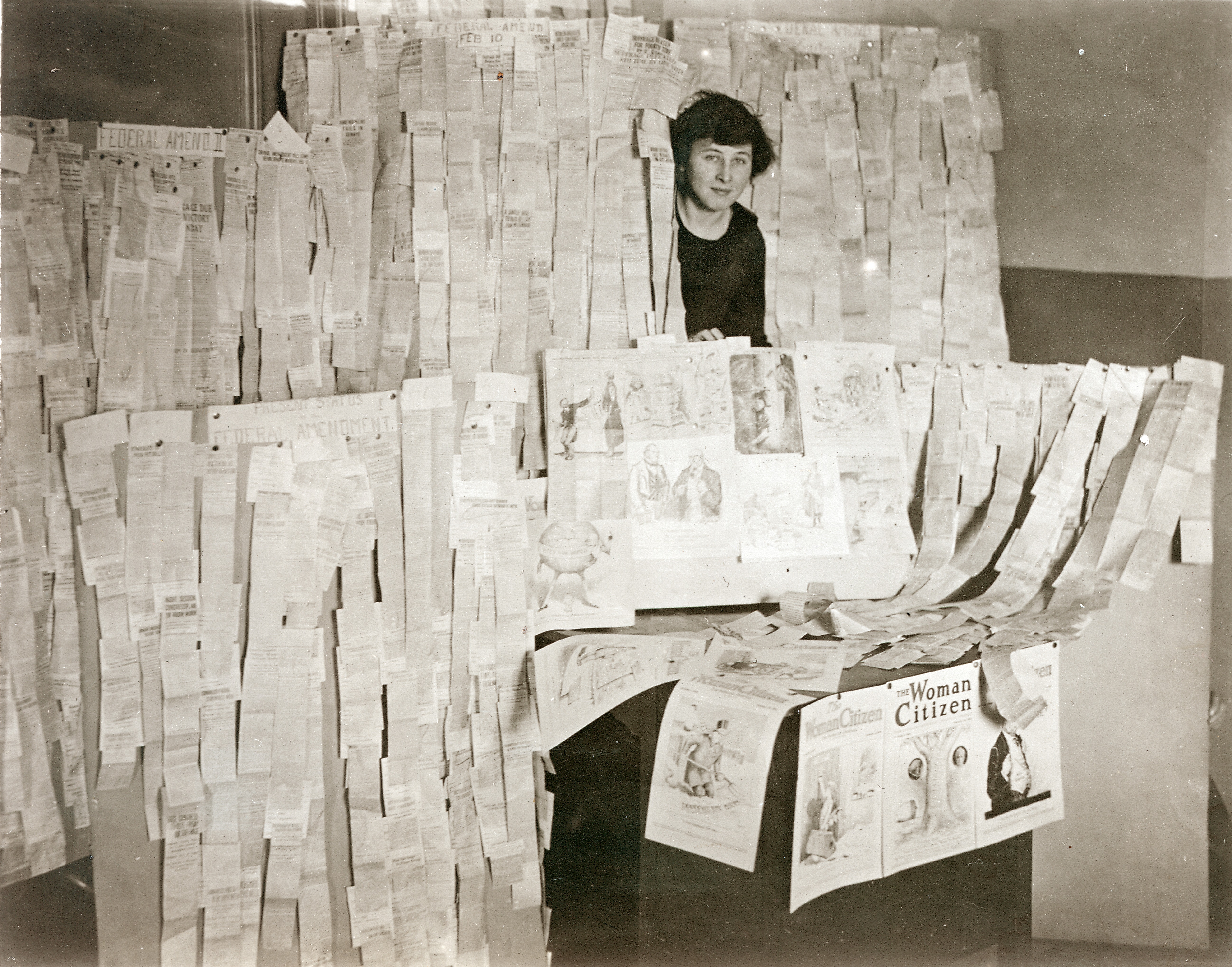
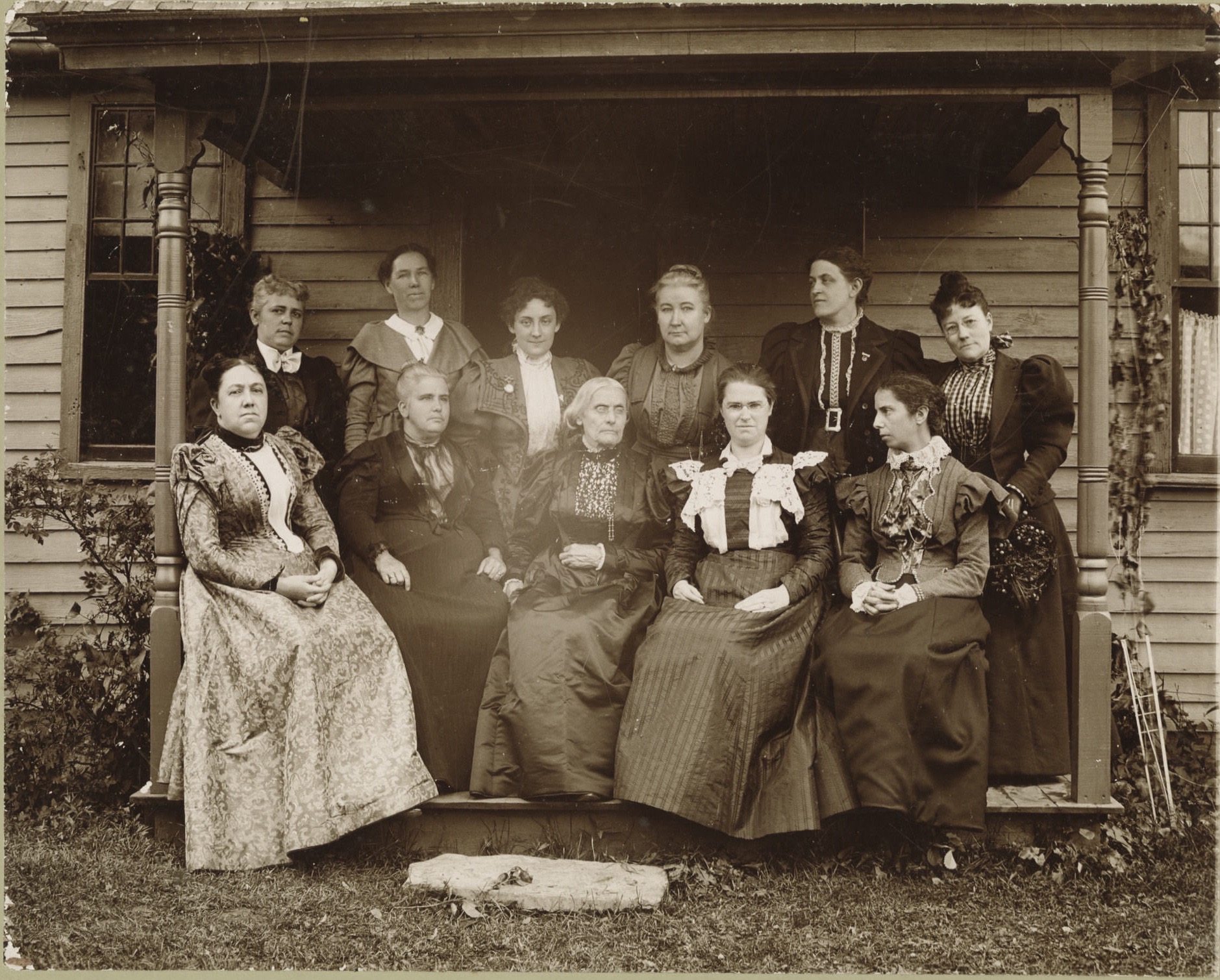
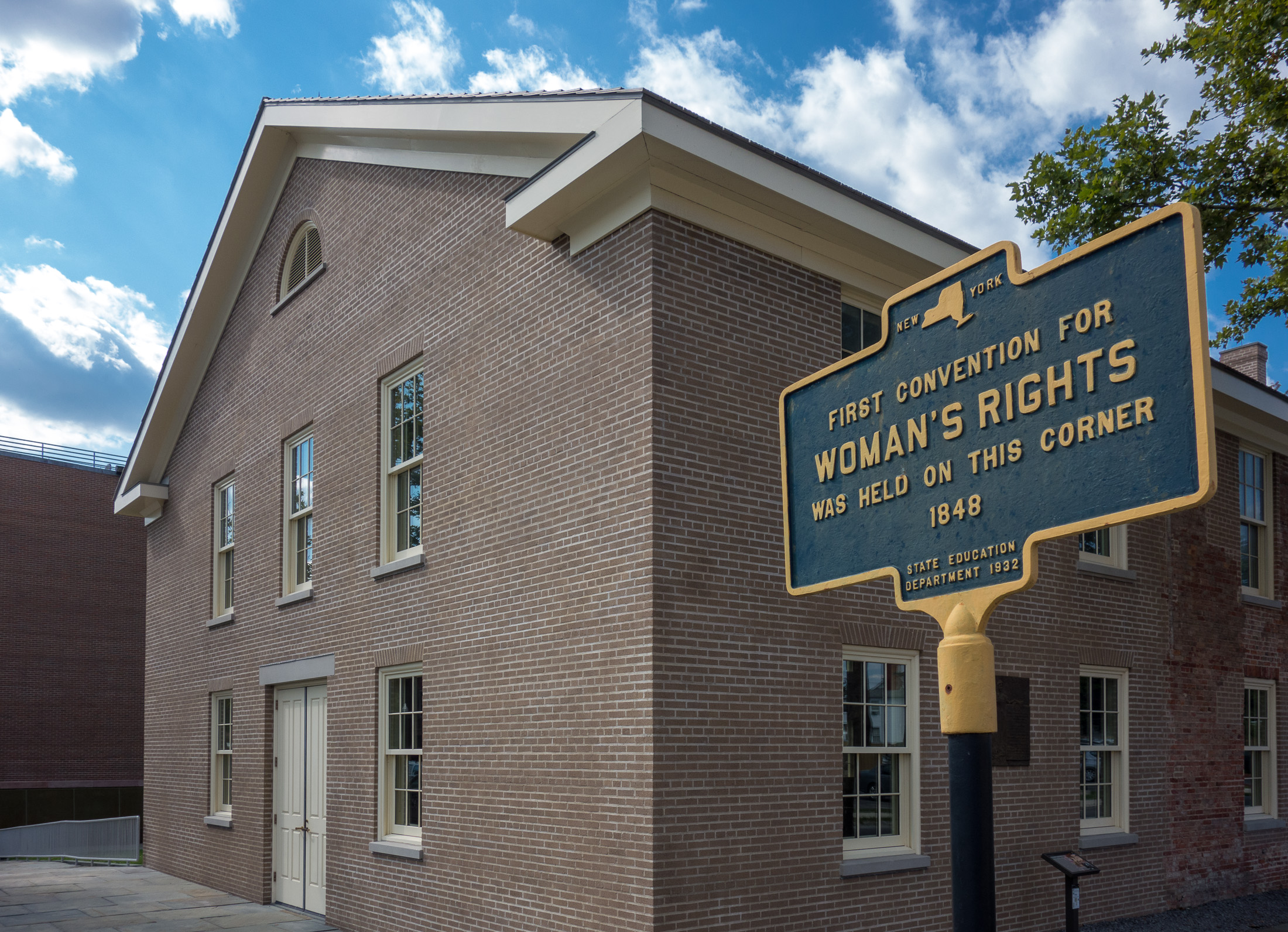
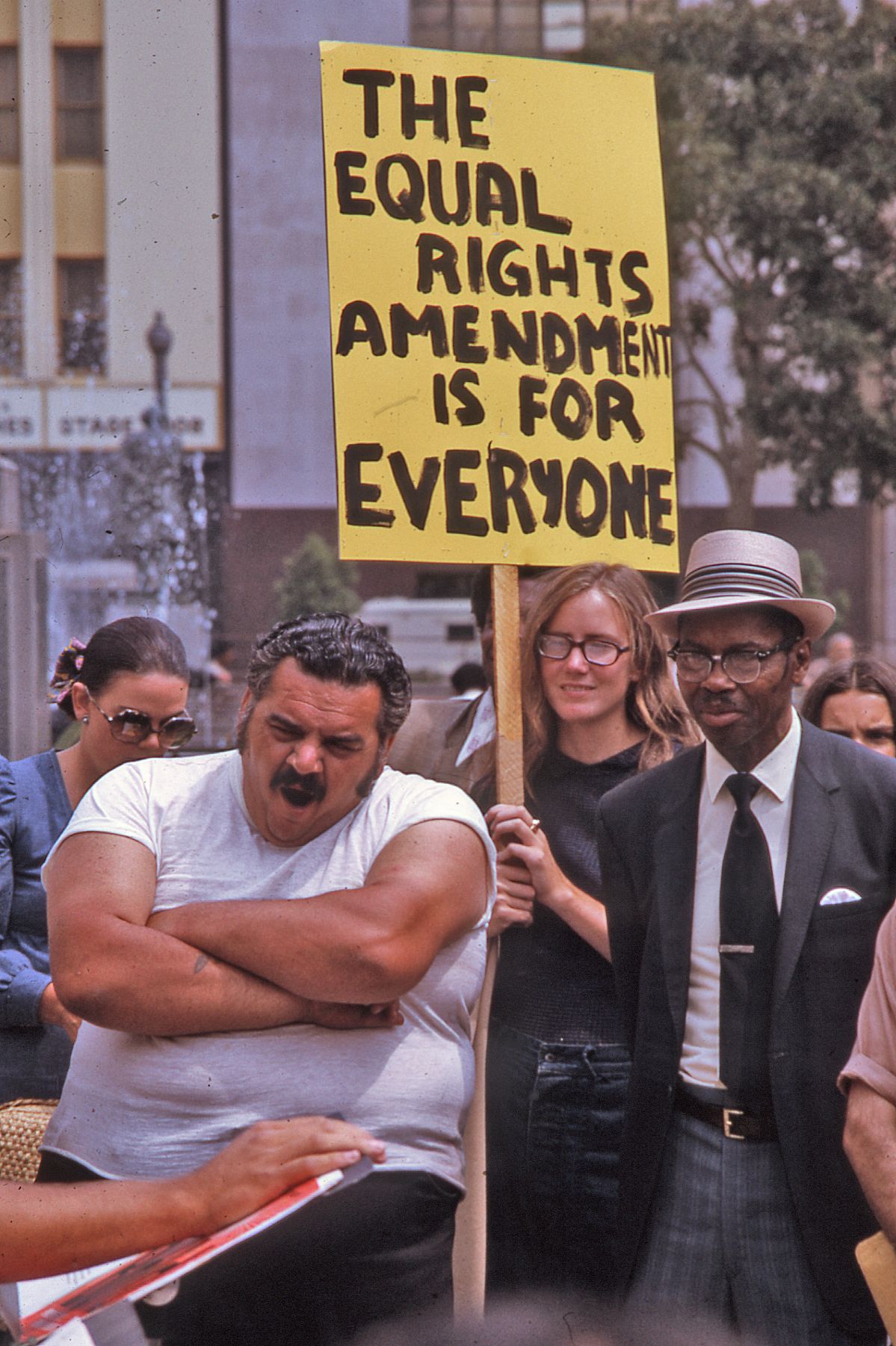
Unfinished Promise From Seneca Falls to the Supreme Court
Eleven primary source documents spanning 246 years of the struggle for women's rights in America. Read the original words of Abigail Adams, Sojourner Truth, Elizabeth Cady Stanton, Shirley Chisholm, and the Supreme Court — with an AI tutor to guide you.
Choose your reading path
Four ways to explore these foundational documents on women's rights
Deep Reading
Read the complete original text of all eleven documents — letters, speeches, amendments, and Supreme Court opinions — with AI tutor commentary and vocabulary support.
Start ReadingGuided Reading
Study the most important passages from each document with rich historical context, key vocabulary, and guided analysis.
Start ReadingDiscussion
Engage with discussion questions and critical thinking prompts for each document. Great for classroom conversation and debate.
Start ReadingWhat you'll read
Eleven documents that shaped women's rights in America
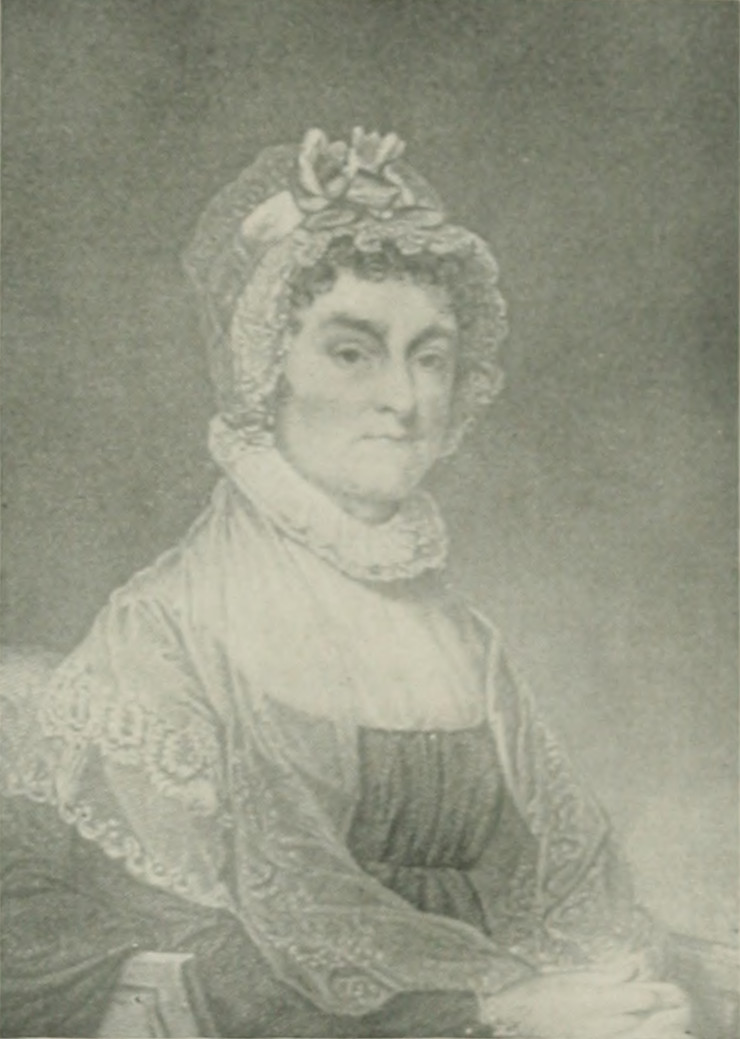
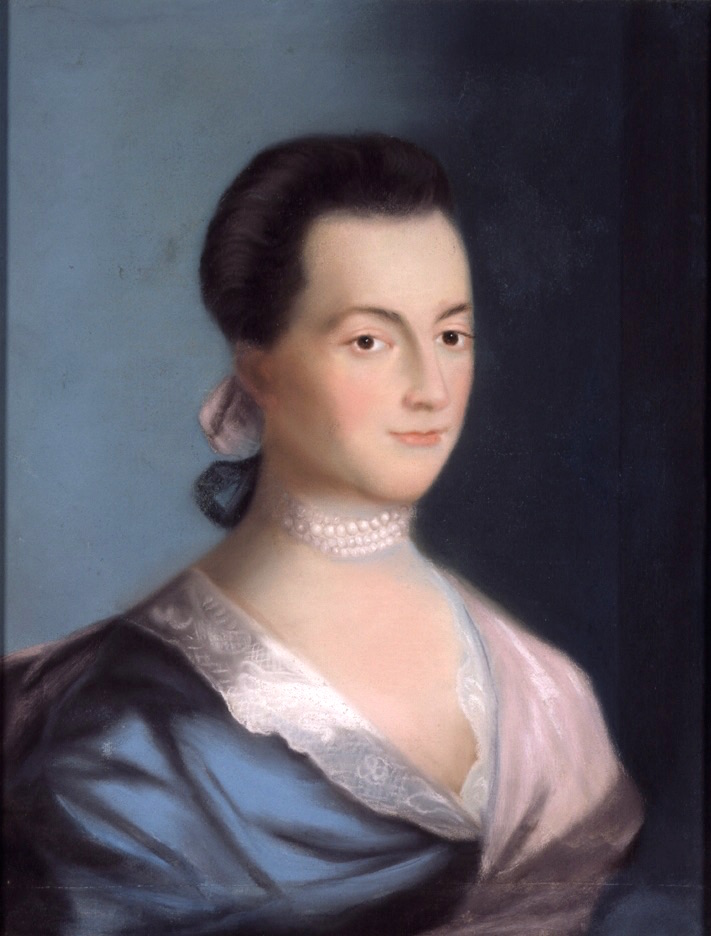
"Remember the Ladies"
Abigail Adams's remarkable letter to her husband John during the Continental Congress, warning that women "will not hold ourselves bound by any Laws in which we have no voice."
Read this document 1848Declaration of Sentiments
The founding document of the women's rights movement, modeled on the Declaration of Independence: "We hold these truths to be self-evident: that all men and women are created equal."
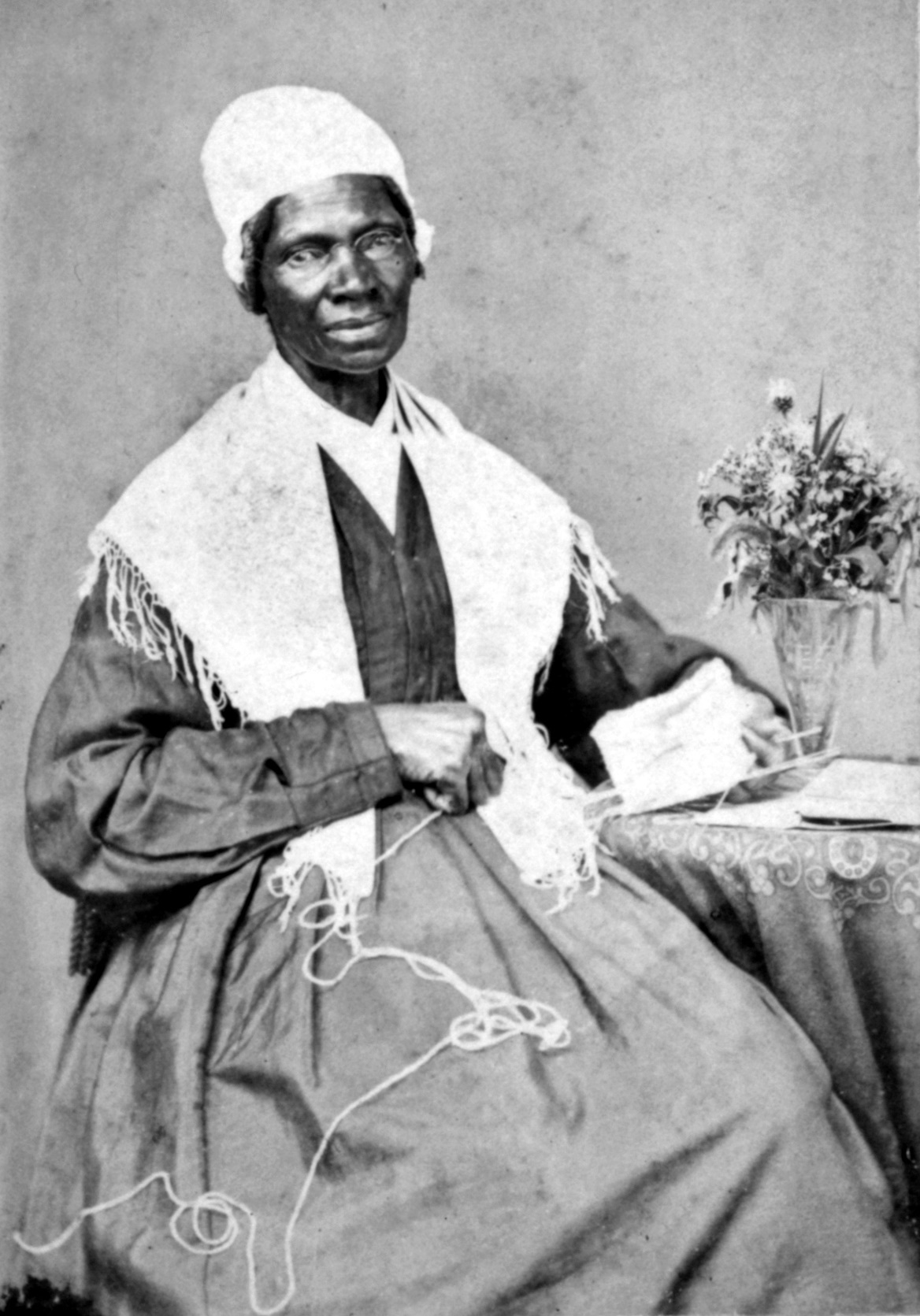
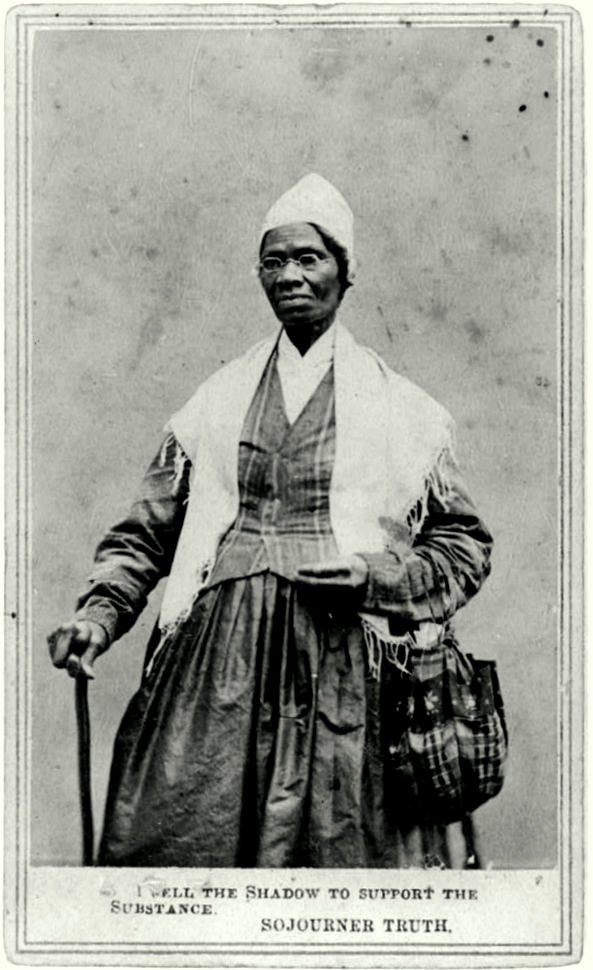
Read this document 1851Ain't I a Woman?
Sojourner Truth's electrifying speech at the Women's Rights Convention in Akron, Ohio, linking the fights for women's rights and racial justice with unforgettable directness.
Read this document 1873The Trial of Susan B. Anthony
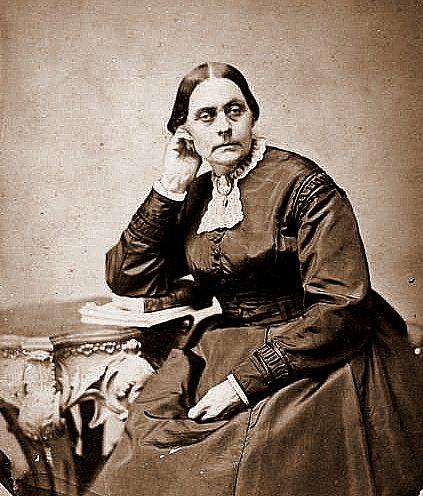
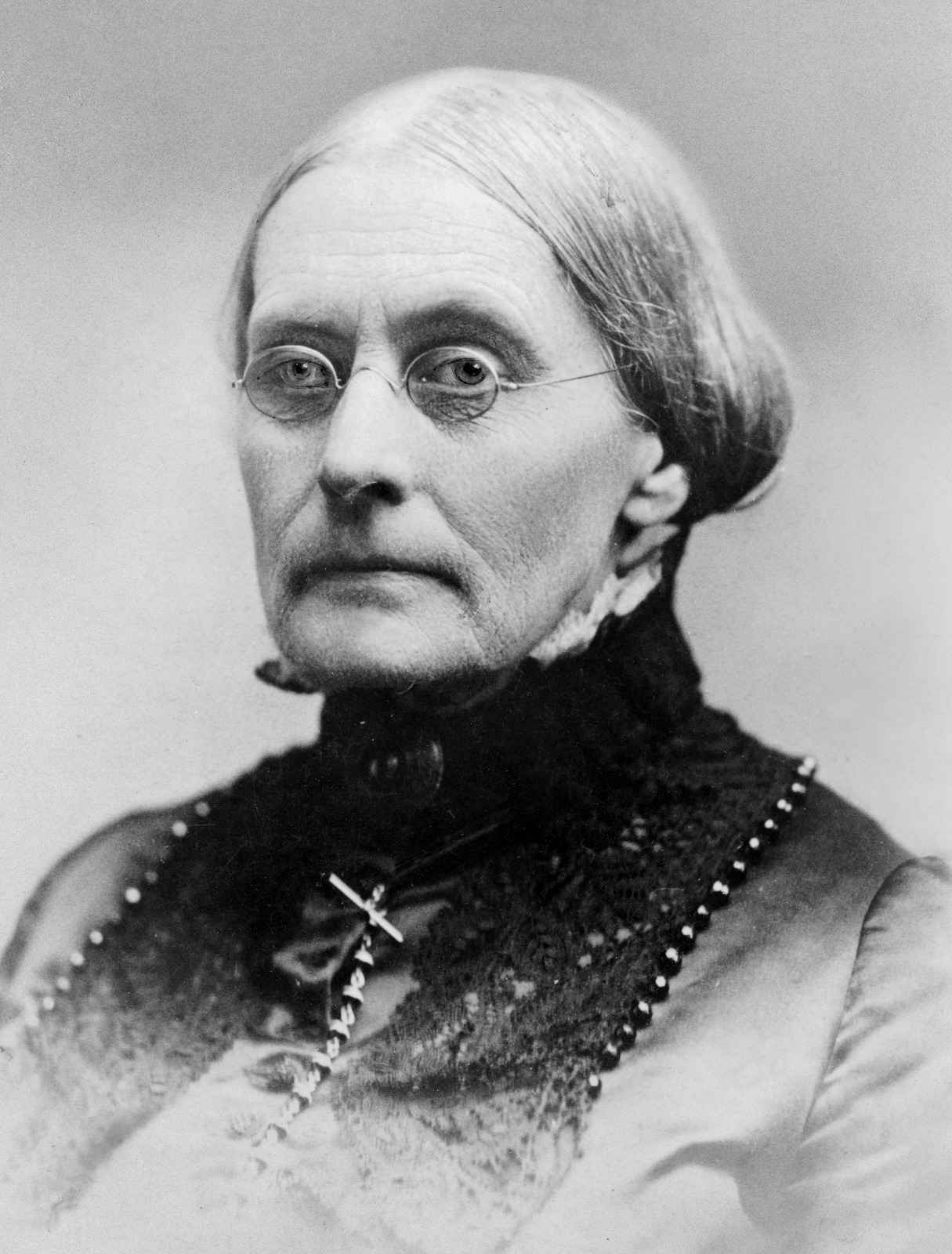
Susan B. Anthony's arrest and trial for the "crime" of voting. The judge directed a guilty verdict — but Anthony's defiant speech in court echoed for decades.
Read this document 1892The Solitude of Self
Elizabeth Cady Stanton's philosophical masterpiece, arguing that every person's ultimate solitude demands the right to self-sovereignty. Called the greatest speech by an American woman.
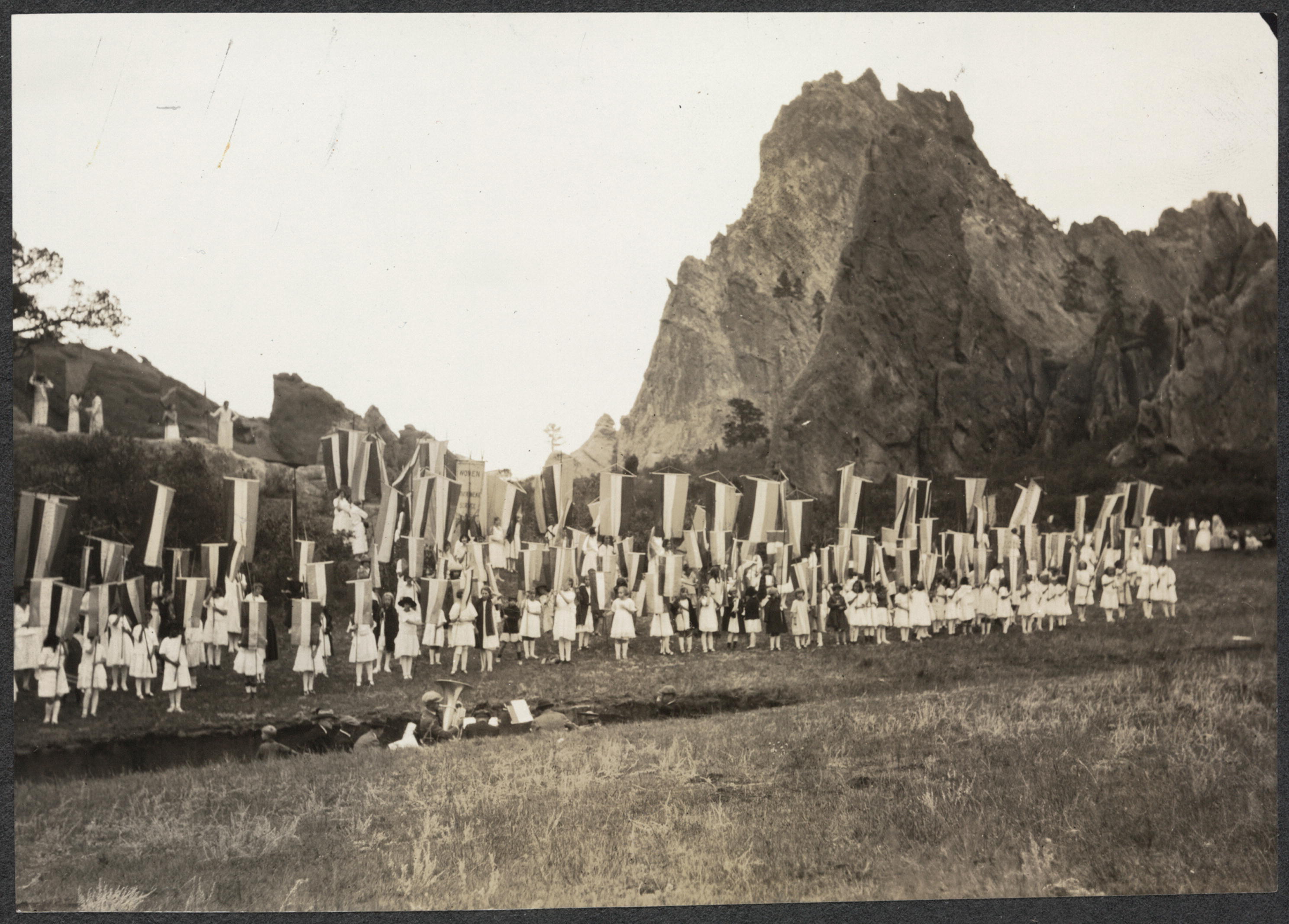
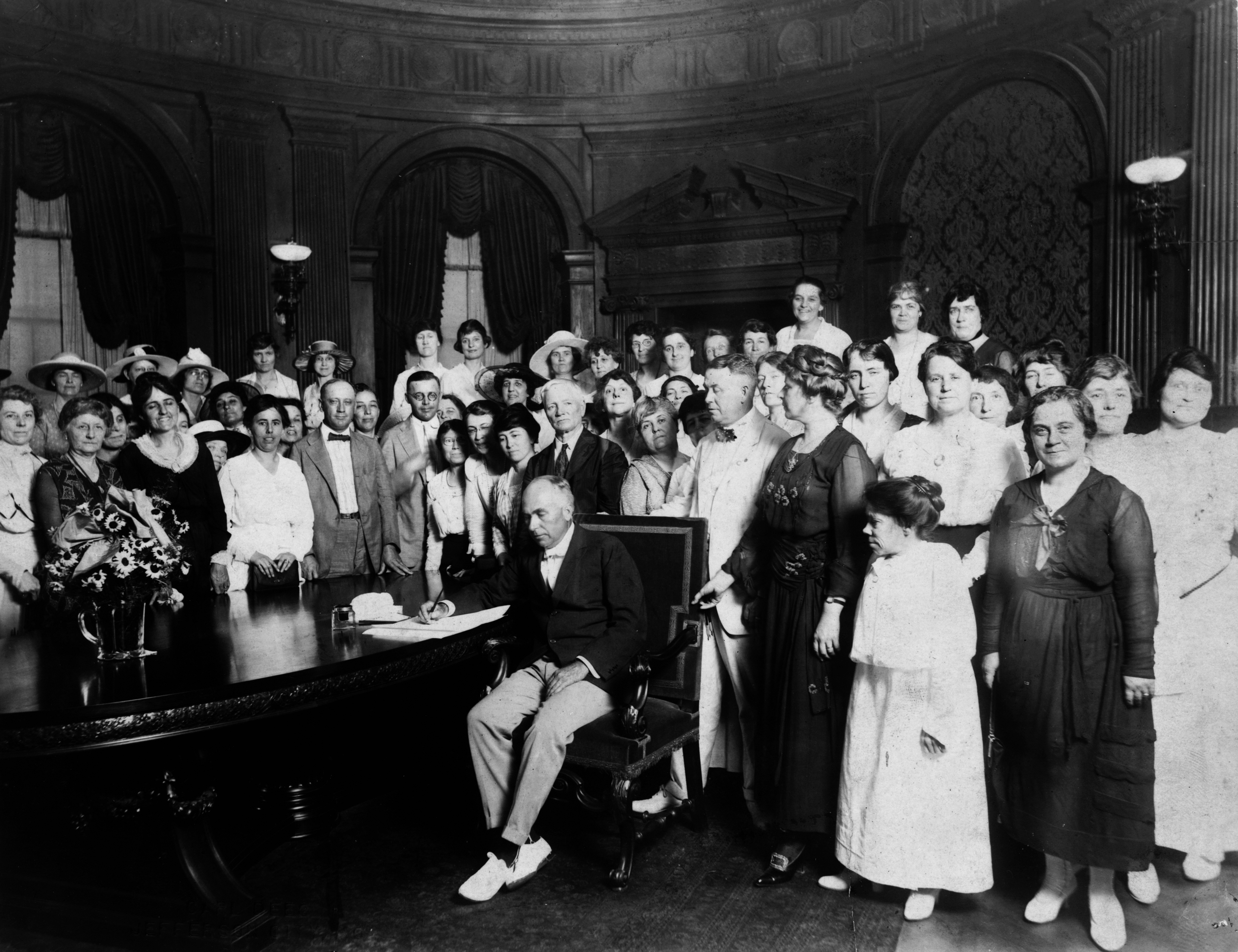
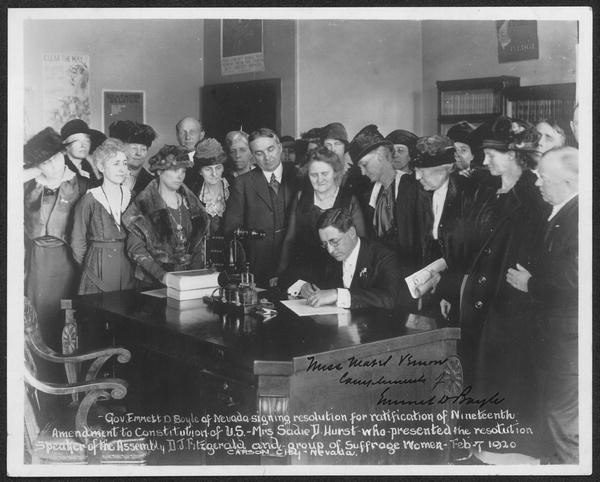
Read this document 1920The Nineteenth Amendment
Twenty-eight words that changed American democracy forever: "The right of citizens of the United States to vote shall not be denied or abridged on account of sex."
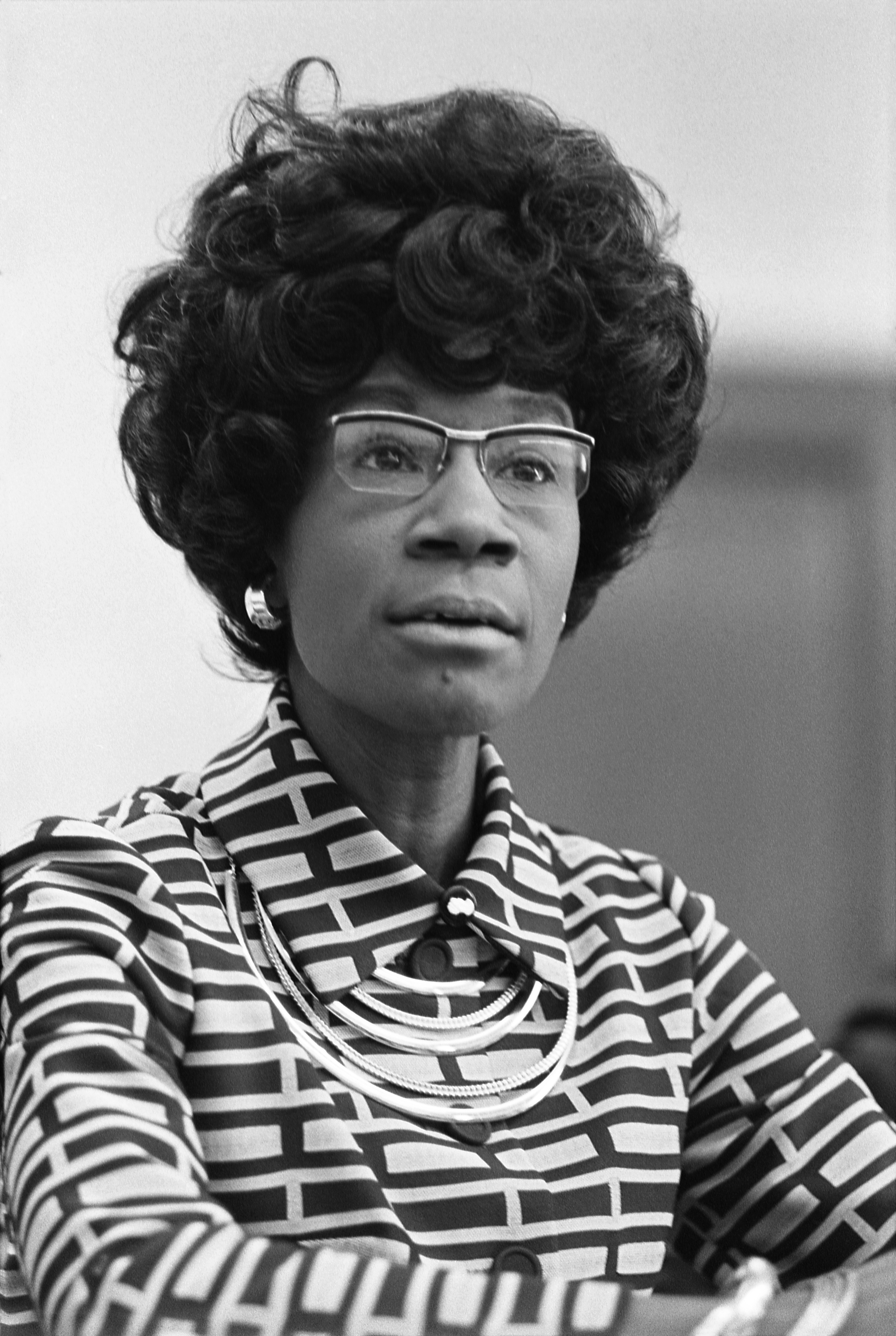
Read this document 1969Equal Rights for Women
Shirley Chisholm — the first Black woman in Congress — delivers a searing speech on the House floor, arguing that sex discrimination is even more pervasive than racial discrimination.
Read this document 1972Title IX & the Equal Rights Amendment
Two landmark legal texts from 1972: the federal law that transformed women's athletics and education, and the constitutional amendment that came within three states of ratification.
Read these documents 1973 & 2022Roe v. Wade & Dobbs
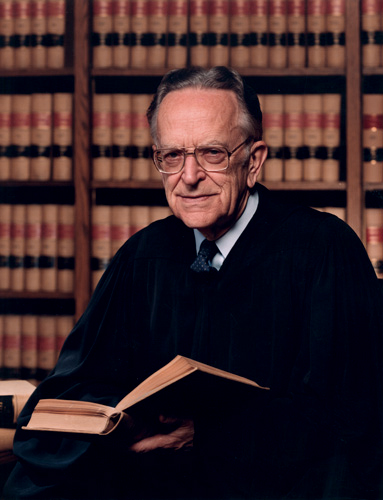
Two Supreme Court decisions, forty-nine years apart. Roe recognized a constitutional right to abortion; Dobbs overruled it. Read the actual opinions and judge for yourself.
Read these documentsThemes across the documents
The Long Arc of Suffrage
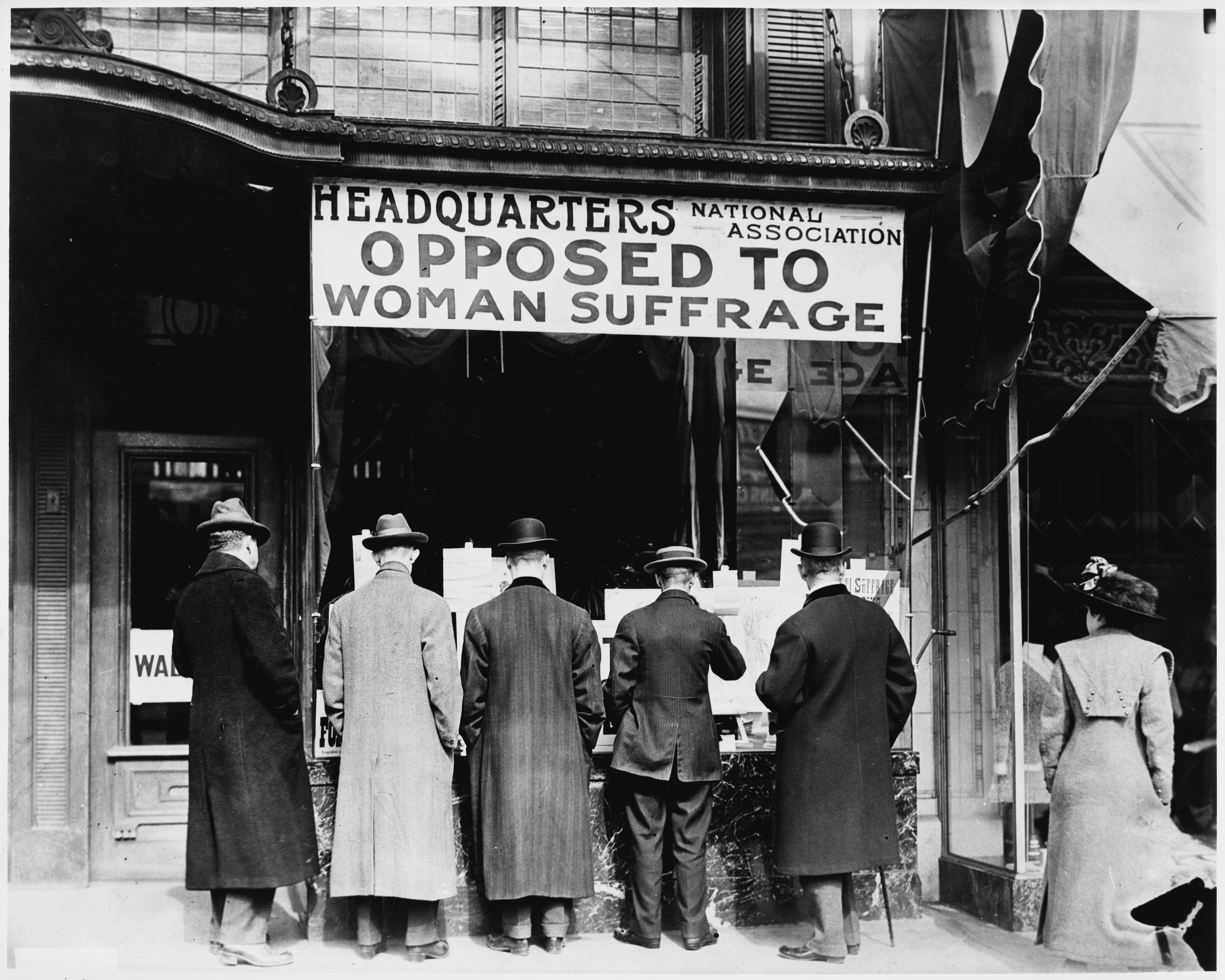
From Abigail Adams's private letter to the 19th Amendment, the fight for women's right to vote took 144 years — and the work isn't finished.
Law as Weapon and Shield
The same Constitution was used to deny women's rights and to protect them. These documents show how legal arguments shape lived reality.
Intersecting Struggles
Sojourner Truth and Shirley Chisholm remind us that the fight for women's rights cannot be separated from the fight for racial justice.
Progress and Reversal
Rights once won can be taken away. Roe and Dobbs show that constitutional interpretation changes — and that today's students will shape what comes next.
How it works
Choose your path
Pick deep reading, guided reading, discussion, or a quick overview — or switch between them any time.
Read with your tutor
An AI tutor explains vocabulary, provides historical context, and checks your understanding as you read.
Discuss and reflect
Answer comprehension questions, explore connections between documents, and form your own conclusions.
For teachers
This anthology is designed for middle school ELA, U.S. History, and Women's Studies classes. Each document includes guided reading, discussion questions, vocabulary exercises, and a final assessment. Students can work independently or in groups. The platform works on any device with a web browser.
- Discussion questions for every document
- Vocabulary exercises with legal and period terms
- Cross-document comparison activities across eras
- Final assessment with three sections
- Audio narration of all documents
- Works on any device — phones, tablets, laptops
Some of these documents address difficult topics including slavery, reproductive rights, and gender-based discrimination. These are part of the historical and legal record. The AI tutor provides age-appropriate context and supports respectful, thoughtful engagement with these materials.
More from BanterBox
Explore other interactive documents